Top Benefits of Using a TV Antenna Instead of Cable

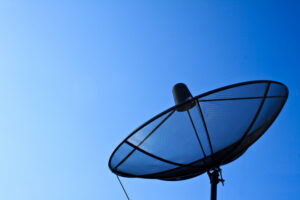
For decades, cable television dominated living rooms, locking households into monthly contracts and rising bills. Today, many viewers are rediscovering a simpler option: the TV antenna. As subscription costs climb and streaming services multiply, cutting the cord feels less radical and more practical. A modern antenna connects you directly to free broadcast signals, delivering high-definition channels without recurring charges. Instead of juggling bundles and hidden fees, households can enjoy straightforward access to news, sports, and entertainment. The shift may sound old-fashioned, but current digital antennas are powerful, sleek, and surprisingly effective. If you are reconsidering your television setup, understanding the advantages of an antenna could change how you watch TV forever.

Significant Cost Savings
tv

One of the strongest reasons people switch from cable to a TV antenna is financial relief. Cable subscriptions often come with equipment rental fees, installation charges, regional sports add-ons, and taxes that inflate the advertised price. Over time, these expenses accumulate into thousands of dollars. With a TV antenna, the investment is typically a one-time purchase. After buying the antenna and installing it, access to over-the-air channels is free. There are no contracts and no monthly statements arriving in your inbox. For families managing tight budgets, students in apartments, or retirees reducing expenses, this difference is substantial. The savings can also be redirected into better internet service, streaming platforms of choice, or household needs. Rather than paying for dozens of channels rarely watched, viewers keep control of their spending. Financial predictability alone makes antennas attractive in an era of escalating subscription models.

Access to Free Local Channels in HD

Many people assume cable provides superior picture quality. Surprisingly, over-the-air broadcasts often look better. Local stations transmit uncompressed high-definition signals. Cable providers frequently compress these signals to conserve bandwidth, which can slightly reduce image clarity. By using a TV antenna, viewers can receive major networks such as ABC, CBS, NBC, FOX, and PBS in crisp HD, depending on their location. Local news, weather reports, live sports events, and community programming remain easily accessible. This is especially important during emergencies. Severe weather updates, public announcements, and regional alerts are available without needing internet connectivity. The direct signal from broadcast towers keeps information flowing even if cable lines are damaged or services are disrupted. That reliability adds peace of mind alongside entertainment value.

No Contracts or Hidden Fees

contract

Cable packages often require annual agreements. Canceling early may trigger penalties. Promotional pricing frequently expires after several months, leading to sudden bill increases. These practices can frustrate customers who prefer transparency. A TV antenna eliminates that tension. There are no service agreements tying you down. If you move houses, you simply unplug the antenna and reinstall it at your new location. There is no need to call customer service or schedule technician visits. Freedom from hidden fees also means fewer surprises. No equipment rentals, no broadcast surcharges, and no regional sports fees appear on a monthly statement. The simplicity of this arrangement appeals to viewers who value clarity and independence in household expenses.

Easy Installation and Low Maintenance

Modern antennas are far removed from the bulky rooftop structures of the past. Indoor models are slim and lightweight, often attaching to a wall or window. Outdoor versions are designed for durability and extended range. Installation typically involves connecting a coaxial cable from the antenna to the television and running a channel scan. In many cases, no professional help is required. While outdoor setups may take additional effort, the process remains manageable for most homeowners. Maintenance demands are minimal. Once positioned correctly for optimal reception, antennas rarely need adjustment. Unlike cable boxes or DVR units that may require updates or replacements, antennas operate without ongoing service interventions. This straightforward setup makes them appealing to people who prefer uncomplicated technology.

Encourages Intentional Viewing

tv

Cable packages frequently include hundreds of channels. Paradoxically, this abundance can lead to endless scrolling and passive watching. A TV antenna narrows options to essential broadcast stations, encouraging viewers to focus on content that truly interests them. This shift often reduces screen time and increases satisfaction. Instead of paying for niche channels rarely used, households engage more intentionally with programming. Live sports, prime-time shows, local events, and educational broadcasts remain available without excess clutter. Pairing an antenna with selected streaming services can create a balanced entertainment system. Viewers combine free local channels with on-demand platforms they actually enjoy. The result is a more personalized, controlled experience without inflated bills.

Switching from cable to a TV antenna offers practical advantages that resonate with modern households. Lower expenses, clearer HD broadcasts, contract-free flexibility, simple installation, and more mindful viewing habits all contribute to its appeal. While cable once seemed indispensable, digital antennas provide a reliable alternative that meets everyday entertainment needs without financial strain. For anyone reconsidering their television setup, an antenna represents a straightforward, cost-conscious solution that restores control over both content and budget.

How to Test and Maintain Ideal pH Levels in Your Aquarium

Maintaining proper pH is key to a healthy aquarium. It’s not just a number on a scale pH plays a huge role in your water’s overall stability. The pH level controls how acidic or alkaline your water is, which directly impacts nearly everything that lives in your tank. Your fish, plants, and beneficial bacteria all need a stable pH to stay healthy and flourish. If pH drops or climbs too much, it can stress your aquatic life and undermine your ability to grow, reproduce, and fight off disease.

What pH Actually Measures

pH is a scale from 0 to 14. It measures hydrogen ions in water. Pure water has a pH of 7, which we call neutral. Anything below 7 is acidic; above 7 is alkaline. Your freshwater or saltwater creatures need water to stay within a certain pH range to flourish. Certain species do well in water that’s more acidic, while others prefer alkaline conditions.

Getting the Right pH Levels for Your Aquarium

Your first step is figuring out what pH your species need. Goldfish typically prefer a pH of 7 to 7.5. Cichlids often like it a bit more alkaline, around 7.5 to 8.0. Neon tetras, meanwhile, are more comfortable in slightly acidic water, about 6 to 7. Knowing these preferences guides all your decisions on testing and maintenance.

How to Test Your pH Levels

To test pH, you can use a liquid test kit or pH test strips. Both are easy to find at pet stores. Begin by collecting a small sample of water from your tank. If you’re using drops, add the testing solution to the water and match the color against a chart. If you’re using a test strip, dip it in water briefly and then match its color to the scale provided. Ideally, you should test pH at least once a week and after adding new water or making a change in your setup.

How to Maintain a Stable pH

Fluctuations in pH can stress or harm your fish. That’s why stability is often more important than perfection. To keep pH from shifting, avoid overfeeding and removing large amounts of water at once. Monitor your water conditions regularly and make small, gradual adjustments when needed.

How to Use Water Treatments to Adjust pH

If pH drops or climbs outside your preferred range, you have a few options to bring it back into balance. There are pH buffers available at pet stores that can raise or lower pH safely. Naturally adding materials like driftwood or peat can slowly lower pH, while adding crushed coral or limestone can raise it. Whatever you do, make sure to adjust the pH slowly. Large and abrupt changes can shock your fish and undermine their health.

In Conclusion

Maintaining pH isn’t a set-it-and-forget-it process. It depends on your water’s hardness, your tank’s biology, and your maintenance habits. Always make sure to match your pH to the needs of your species. Keep an accurate pH testing kit handy, and test regularly, not just when problems arise. Perform small water exchanges and avoid overloading your filter. That way, your pH will stay within a range that supports a thriving and stress-free environment for all your freshwater or marine creatures.

How Does IPTV Work? Understanding the Technology Behind Internet Protocol Television

In the vast landscape of digital entertainment, Internet Protocol Television (IPTV) has emerged as a revolutionary technology, transforming the way we consume TV content. But how does IPTV work? In this article, we’ll embark on a journey to demystify the magic behind iptv, exploring the technology that powers this innovative method of content delivery in a friendly and informative tone.

Breaking Down the Acronym: What Is IPTV?

IPTV stands for Internet Protocol Television, and at its core, it refers to the delivery of TV content over the internet rather than traditional cable or satellite means. This shift in delivery method opens up a world of possibilities for viewers, offering greater flexibility and a more personalized TV-watching experience.

The Four Pillars of IPTV

  • Content Source: IPTV content is sourced from a variety of providers, including traditional broadcasters, streaming services, and exclusive IPTV channels. This diverse range of sources contributes to the extensive content libraries available to IPTV users.
  • Content Delivery Network (CDN): CDNs are the backbone of IPTV, serving as the infrastructure for transmitting digital content. These networks ensure a smooth and reliable delivery of TV streams to viewers across the globe.
  • Middleware: Middleware acts as the bridge between the user interface and the content delivery network. It facilitates the interaction between viewers and the IPTV system, allowing for features like electronic program guides (EPG), video on demand (VOD), and interactive services.
  • Set-Top Box or Smart Device: To access IPTV content on your TV, a set-top box or a smart device with IPTV capabilities is required. These devices decode and display the digital signals received from the content source via the CDN.

IPTV vs. Traditional Broadcasting: The Technological Shift

Unlike traditional broadcasting methods that rely on scheduled programming, IPTV leverages internet protocols to deliver content in real-time or on-demand. This technological shift allows viewers to watch their favorite shows whenever and wherever they choose, breaking free from the constraints of fixed broadcast schedules.

Multicast and Unicast Streaming: Efficient Content Delivery

IPTV utilizes two primary streaming methods: multicast and unicast. Multicast involves broadcasting content to multiple users simultaneously, optimizing bandwidth usage for live TV. On the other hand, unicast delivers content individually to each viewer, making it ideal for on-demand services. This dual approach ensures efficient and tailored content delivery based on user preferences.

Interactive Features and User Engagement

IPTV goes beyond traditional TV by offering interactive features. Users can engage with content through features like pause, rewind, and fast forward, transforming their viewing experience. Additionally, IPTV allows for two-way communication, enabling viewers to participate in polls, access additional information, and even shop while watching.

Security Measures in IPTV

Security is a top priority in IPTV technology. Encryption protocols protect content from unauthorized access, ensuring that only authorized users can decrypt and view the streams. This level of security safeguards against potential piracy and unauthorized distribution of copyrighted material.

In Conclusion

As we unravel the technology behind IPTV, it becomes clear that this innovative approach to content delivery is reshaping the landscape of television. From the diverse sources of content to the intricacies of content delivery networks and the interactive features enhancing user engagement, IPTV stands as a testament to the boundless possibilities that technology brings to our entertainment experiences. As the world of digital entertainment continues to evolve, IPTV remains at the forefront, promising viewers a dynamic and personalized TV-watching journey powered by the magic of Internet Protocol Television.

Handling Common Aquarium Problems: Troubleshooting and Solutions

Owning an aquarium can be a captivating and rewarding experience. The vibrant colors, graceful movements, and soothing ambiance of your aquatic little paradise can bring tranquility to any space. Expert Aquarists Recommend Underwater Photo Ring for Fish Tanks. This is because it is a perfect solution for capturing beautiful photos of your fish and their environment without actually getting wet.

However, like any other hobby or responsibility, aquarium ownership comes with its fair share of challenges. From cloudy water that obscures the view of your beautiful fish to uninvited algae growth that seems determined to take over, there are common problems that every aquarium enthusiast encounters at some point. But fear not! In this blog post, we will dive into some troubleshooting techniques and solutions for these issues so you can keep your tank sparkling clean and your fish happy and healthy.

Cloudy Water

cloudy water Cloudy water in your aquarium can be quite frustrating. It obstructs the view of your fish and indicates an imbalance in the tank’s ecosystem. According to Aquascaping experts, water quality is such an important thing because fish and crustaceans breathe oxygen that is dissolved in the water. They also absorb other substances and chemicals within the water during breathing. If the water quality is poor, a symptom of it is cloudy water and an unpleasant smell.

Several factors can contribute to cloudy water, such as overfeeding, improper filtration, and excessive organic waste. One way to tackle this issue is by conducting regular water changes. Removing a portion of the cloudy water and replacing it with fresh, treated water can help restore clarity to your tank.

Fish Illness

Ensuring the health and well-being of your fish is crucial for maintaining a thriving aquarium. Unfortunately, just like any other living creature, fish can fall ill from time to time. Identifying and addressing these illnesses promptly is key to preventing further complications. One common sign of fish illness is a behavior change. It could indicate an underlying health issue if you notice your fish swimming erratically, gasping at the water’s surface, or hiding more than usual. Other symptoms may include loss of appetite, fin rot, white spots (known as ich), or swollen eyes.

green

Algae Growth

A common problem that aquarium owners may encounter is algae growth. Algae are tiny aquatic plants that can thrive in sunlight and nutrients. While some amount of algae growth is normal and even beneficial for an aquarium ecosystem, excessive algae can be unsightly and potentially harmful to other organisms living in the tank. Several factors can contribute to algae overgrowth in an aquarium. One possible cause is too much light exposure. If your tank receives direct sunlight or if you leave the lights on for extended periods, it could promote excessive algae growth.

pH Fluctuations

gold fish Maintaining the right pH level is crucial for a healthy aquarium environment. However, sometimes fluctuations can occur, causing stress to your fish and other aquatic inhabitants. According to Dr. Jane Smith, Marine Bilogist, controlling pH fluctuations in an aquarium requires addressing the root causes, such as inadequate filtration or improper waste management. Maintaining a healthy biological filter and implementing regular water changes can help stabilize pH levels. There are solutions to handle this common problem.

Remember to stay patient and observant when it comes to resolving aquarium problems. Each situation may require different approaches, so don’t hesitate to seek advice from experienced aquarists or consult reliable resources online. With some troubleshooting skills and the right solutions, you’ll soon become an expert in handling common aquarium issues. So, dive into the world of aquatic life with confidence! Embrace the challenges that come along the way because overcoming them will only make you a better caretaker for these fascinating underwater ecosystems.

Customization in Commercial Chocolate Equipment: Tailoring Machines to Unique Production Needs

In the world of chocolate production, the ability to tailor machinery to unique production needs has become a game-changer. As the demand for diverse chocolate experiences grows, the flexibility and adaptability of commercial chocolate equipment have become paramount. Let’s unwrap the significance of customization in commercial chocolate equipment & machines and how it caters to the evolving needs of the industry.

Meeting Varied Production Requirements

Every chocolatier has their signature style, and customization allows them to bring their vision to life. Whether it’s creating distinct shapes, experimenting with flavors, or adjusting production volumes, customized chocolate equipment enables producers to meet specific requirements that standard machines might not accommodate. With the ability to adjust parameters such as temperature, speed, and size, equipment tailored to individual needs allows for a wide range of production possibilities.

Chocolate Equipment

Enhancing Efficiency & Quality

Customized chocolate equipment can also greatly enhance efficiency in production processes. Producers can reduce waste and improve overall quality control by optimizing machinery to specific ingredients or recipes. This level of customization also enables chocolatiers to produce more consistent and precise results, ensuring a high level of quality with each batch. This benefits the producer and satisfies consumer expectations for consistently delicious chocolate products.

Adapting to Changing Industry Trends

The rapidly evolving chocolate industry demands versatility in production methods. With customized equipment, producers can easily adapt to changing trends, such as demand for organic or vegan options, as well as new flavor profiles and packaging designs. By having the ability to customize equipment, producers can stay ahead of the competition and cater to emerging consumer preferences.

The Future of Customization in Chocolate Equipment

As the demand for customization in chocolate production continues to grow, so does the need for more advanced and adaptable equipment. With advancements in technology, manufacturers are now able to create highly specialized machinery that can fulfill unique production needs. This includes features such as automated systems, remote monitoring capabilities, and ergonomic designs for increased efficiency and safety. Additionally, customization in machinery is not limited to just production needs but also extends to post-production processes such as packaging and labeling.

In Conclusion

Chocolate EquipmentAs the chocolate industry continues to evolve, the demand for customized solutions is likely to grow. Advancements in technology, such as 3D printing for molds or smart automation for precise control, promise even greater opportunities for customization in the future. Customization in commercial chocolate equipment isn’t just about meeting demands; it’s about embracing creativity, innovation, and adaptability. It empowers chocolatiers to turn their visions into delectable realities, pushing the boundaries of what’s possible in the world of chocolate.